AI music generators are fundamentally transforming how indie game developers, video creators, and commercial music producers compose complete songs, backing tracks, and ambient soundscapes in 2026. In this detailed benchmark review, we evaluate top text-to-music models to help you generate full-fidelity tracks, isolate multi-track stems, and secure royalty-free commercial licenses.
Table of Contents
- The Generative Audio Shift: Introduction
- Key Parameters: Evaluating Intelligent Composition Engines
- The Best AI Music Generators in 2026 Reviewed
- Functional Deployment Across Audio Production Stacks
- The Heavy Render: Processing Load and Infrastructure Demands
- Conclusion: The Final Verdict
The Generative Audio Shift: Introduction
The production workflow of background music scoring, podcast soundtracking, and video game sound design has officially moved beyond static royalty-free library subscriptions and repetitive acoustic loops. Game developers, social media agencies, and independent musicians no longer spend days sifting through generic audio catalogs to find tracks that match specific emotional cadences.
In this dedicated industry evaluation, we run live synthesis benchmarks across leading audio models to rank the best ai music generators leading the creative software market in 2026. We evaluate their acoustic fidelity, lyrical coherence, stem separation quality, genre flexibility, and commercial licensing protections.
Key Parameters: Evaluating Intelligent Composition Engines
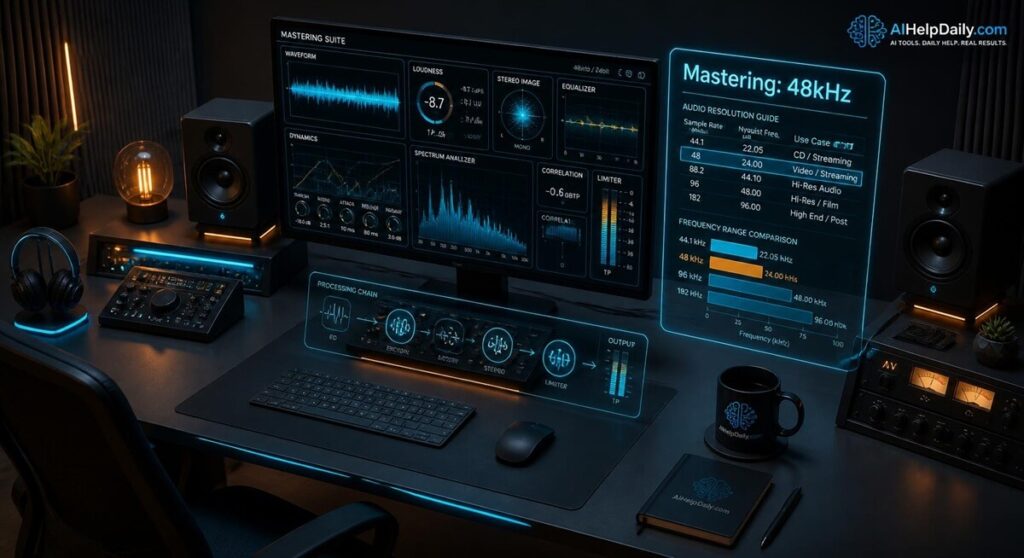
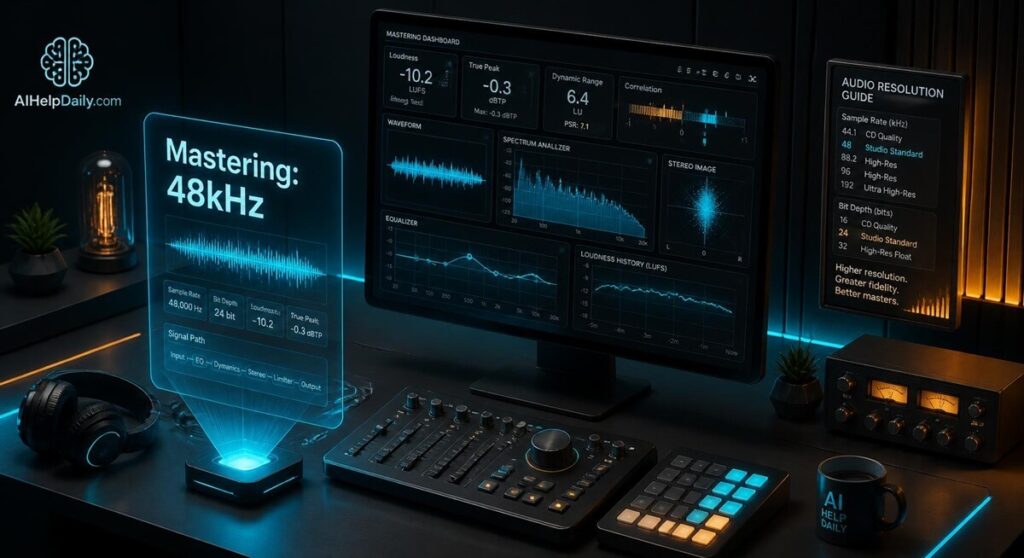
To properly judge modern ai music generators, audio engineers and digital producers must look past surface-level novelty clips and analyze professional audio clarity. A production-grade music model must generate clean 48kHz stereo masters without digital artifacts or clipping distortion.
The underlying composition engine must understand musical theory—including structural transitions (verse, chorus, bridge, outro), tempo stabilization, and multi-instrumental layering. Furthermore, an enterprise-ready music platform must offer stem splitting (isolating vocals, bass, drums, and instruments) and provide clear, legally verified commercial clearance for monetized YouTube videos, games, and streaming broadcasts.
The Best AI Music Generators in 2026 Reviewed
1. Suno AI (v3.5)
Suno v3.5 stands as the premier consumer music synthesis platform for creating radio-ready songs across any genre with full vocal and instrumental tracks. Capable of generating complete two-minute tracks from single text prompts, Suno delivers remarkable vocal emotional depth, authentic genre blending, and fast lyric structure comprehension.
2. Udio (v130)
Udio sets the benchmark for high-fidelity audio realism, intricate harmonic complexity, and nuanced vocal phrasing. Engineered by former DeepMind researchers, Udio excels in complex musical genres—such as progressive rock, jazz, and classical orchestration—allowing musicians to extend tracks and modify specific song sections with surgical inpainting.
3. Stable Audio (2.0 by Stability AI)
Stable Audio 2.0 targets sound designers, audio producers, and sample library creators who require full-length instrumental tracks and custom sound effects. Built on advanced latent diffusion architectures, it enables creators to generate cohesive three-minute stereo compositions and audio-to-audio style transformations.
4. Soundraw
Soundraw combines generative AI composition with an intuitive visual music editor. Designed specifically for video creators and podcasters, Soundraw allows users to customize the exact tempo, instrument density, and emotional drop points of an AI-composed track directly on a visual timeline without music theory knowledge.
5. AIVA
AIVA targets cinematic composers, game audio directors, and orchestration specialists who require full MIDI file exports. By training deeply on classical and symphonic repertoire, AIVA generates intricate musical compositions that can be downloaded as raw MIDI tracks and edited inside professional DAWs like Ableton Live or Logic Pro.
Functional Deployment Across Audio Production Stacks
To help you isolate the ai music generators that best match your production workflow, export requirements, and budget, review this capabilities matrix:
The Heavy Render: Processing Load and Infrastructure Demands
Generating high-resolution multi-track audio models and executing continuous latent diffusion transforms using modern ai music generators demands extensive cloud compute infrastructure. Maintaining low-latency audio rendering clusters places persistent operational loads on international data center networks.
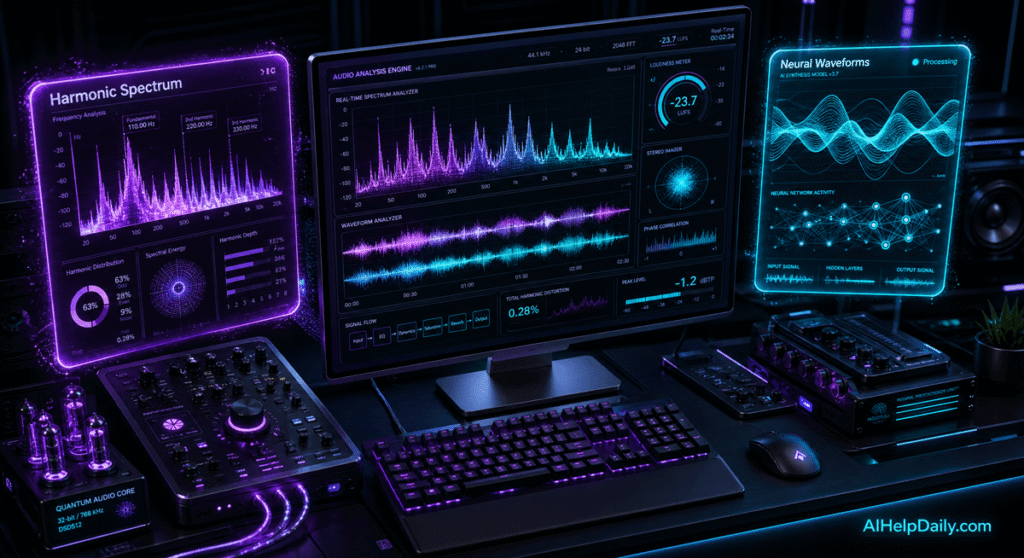
This continuous digital compute demand connects directly back to our pillar evaluation of the best ai voice changers, our technical best real time ai voice changer review, our master best agentic ai tools guide, and our recent best ai agent testing tools breakdown. Exploring how global cloud hosting networks balance these heavy neural acoustic workloads sustainably remains an essential priority for next-generation creative technology providers.
Conclusion: The Final Verdict
Selecting among top ai music generators depends on whether your project requires full vocal pop songs, background soundtracks, or editable MIDI compositions for DAWs. For creators seeking instant radio-ready songs with memorable vocal hooks, Suno AI and Udio provide the leading generative engines. However, for film and game composers wanting complete arrangement control and raw MIDI exports, AIVA delivers the premier orchestration workspace.
To explore more technical developer frameworks or discover platforms that scale your digital operational stack, visit our master AI Tools index or keep tabs on our continuous AI News weekly hub for ongoing industry breakdowns!