
AI API management tools are fundamentally transforming how enterprise developers route, monitor, and scale large language model infrastructure in 2026. In this detailed technical evaluation, we benchmark the top gateway platforms to help you deploy unified API routing, automated model fallbacks, and real-time token cost optimization.
Table of Contents
- The Infrastructure Gateway: Introduction
- Key Parameters: Evaluating Unified API Gateways
- The Best AI API Management Tools in 2026 Reviewed
- Functional Deployment Across Cloud Architectures
- The Heavy Gateway: Processing Load and Environmental Resource Needs
- Conclusion: The Final Verdict
The Infrastructure Gateway: Introduction

The modern engineering landscape of deploying multi-model artificial intelligence systems has moved past raw, single-provider API integrations. Software architects, DevOps engineers, and enterprise CTOs no longer manage individual, hardcoded API connections for every proprietary or open-source language model they deploy into production.
In this dedicated infrastructure review, we run production-grade latency and routing tests across top developer ecosystems to rank the best ai api management tools driving the cloud market in 2026. We measure their unified endpoint performance, automated model fallback reliability, token usage analytics, and enterprise data security protocols.
Key Parameters: Evaluating Unified API Gateways
To properly judge the architectural performance of leading ai api management tools, technical teams must establish strict deployment standards rather than relying on basic proxy wrappers. A production-ready API management gateway must offer absolute routing reliability.
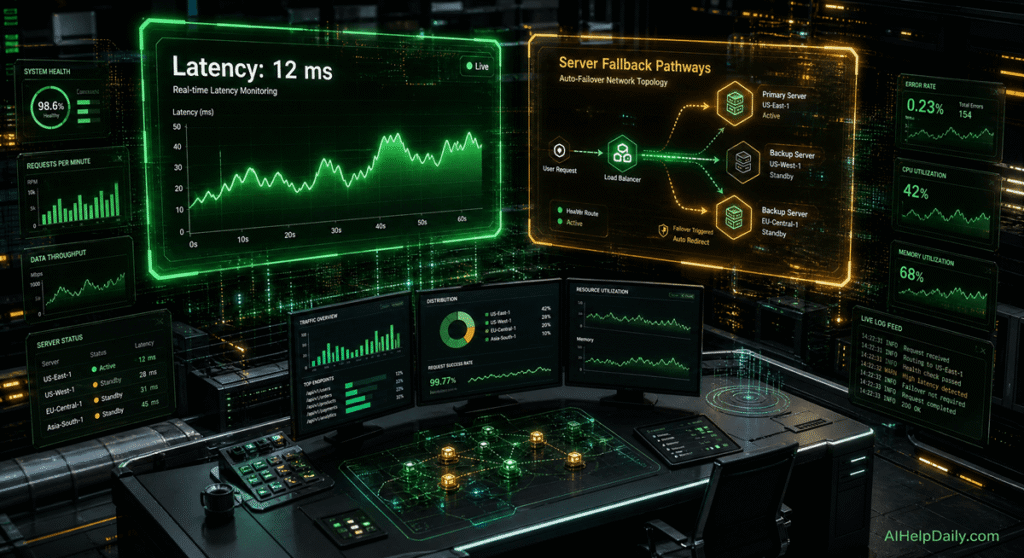
The gateway engine must automatically monitor model latency, dynamically reroute failed API calls to secondary fallback LLMs, and provide granular token expenditure tracking across separate engineering teams. Furthermore, a top-tier infrastructure platform must enforce strict data privacy guardrails, preventing sensitive corporate payloads from being logged or leaked during high-volume server traffic loops.
The Best AI API Management Tools in 2026 Reviewed
1. OpenRouter
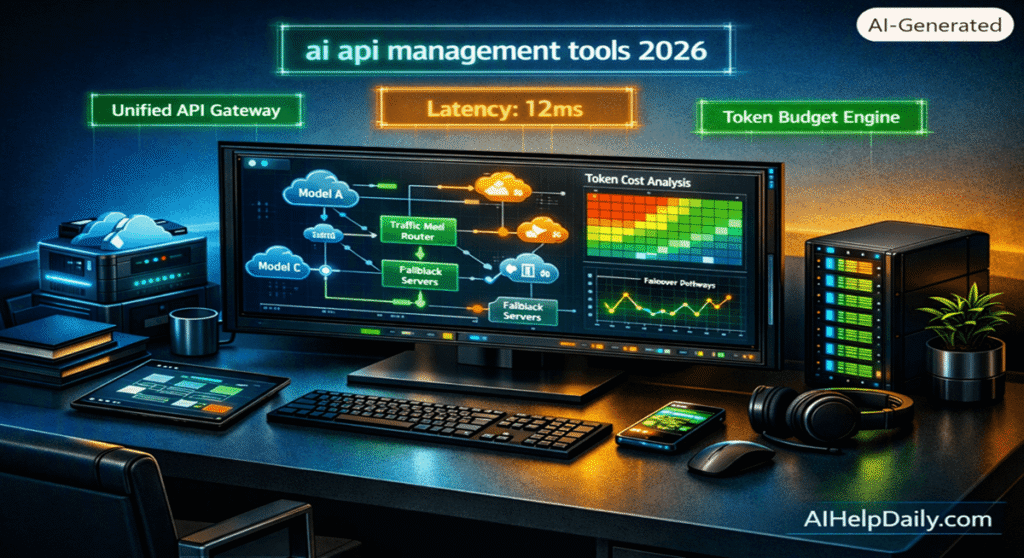
OpenRouter stands as the premier unified API gateway for developers seeking instant access to hundreds of open-source and proprietary AI models through a single standardized endpoint. By offering dynamic price routing, automated latency balancing, and transparent token billing, OpenRouter enables creators to switch between leading models without rewriting integration code.
2. Portkey
Portkey excels in production-grade AI observability, guardrails, and enterprise gateway orchestration. Designed specifically for engineering teams running mission-critical LLM applications, Portkey provides automated retries, caching layers to cut API bills, and deep audit logs that track exact prompt-response costs in real time.
3. LiteLLM
LiteLLM serves as the ultimate open-source proxy solution for developers who want to standardize OpenAI-format API calls across 100+ different LLM providers. Its lightweight architecture allows engineering teams to self-host an enterprise gateway, manage team rate limits, and enforce custom budget caps directly within their own cloud infrastructure.
4. Martian
Martian sets itself apart with its intelligent model routing engine that automatically routes individual user prompts to the most cost-effective and accurate LLM in real time. By analyzing prompt complexity on the fly, Martian ensures simple queries are processed by lightweight models while routing complex reasoning tasks to top-tier foundation engines.
5. Helicone
Helicone focuses extensively on developer analytics, cost tracing, and prompt experiment monitoring for fast-scaling generative applications. By dropping a single line of proxy code into existing codebases, engineering teams gain instant visibility into user latency spikes, token consumption metrics, and custom caching opportunities.
Functional Deployment Across Cloud Architectures
To help you isolate the ai api management tools that best fit your cloud hosting preferences, budget guardrails, and security standards, review this operational capability breakdown:
The Heavy Gateway: Processing Load and Environmental Resource Needs
Routing millions of high-frequency API requests across global server grids using modern ai api management tools demands substantial datacenter infrastructure. Maintaining continuous proxy connections, caching layers, and real-time token tracking shifts significant computing workloads onto hosting networks.
This persistent digital load connects directly back to the computing resource analysis we evaluated in our weekly ai news analysis, our technical best local ai tools review, and our dedicated best agentic ai frameworks guide. To learn how international data centers manage these continuous API routing loops sustainably alongside natural earth resources, read our report on how much water does AI use to explore modern green cooling technologies.
Conclusion: The Final Verdict
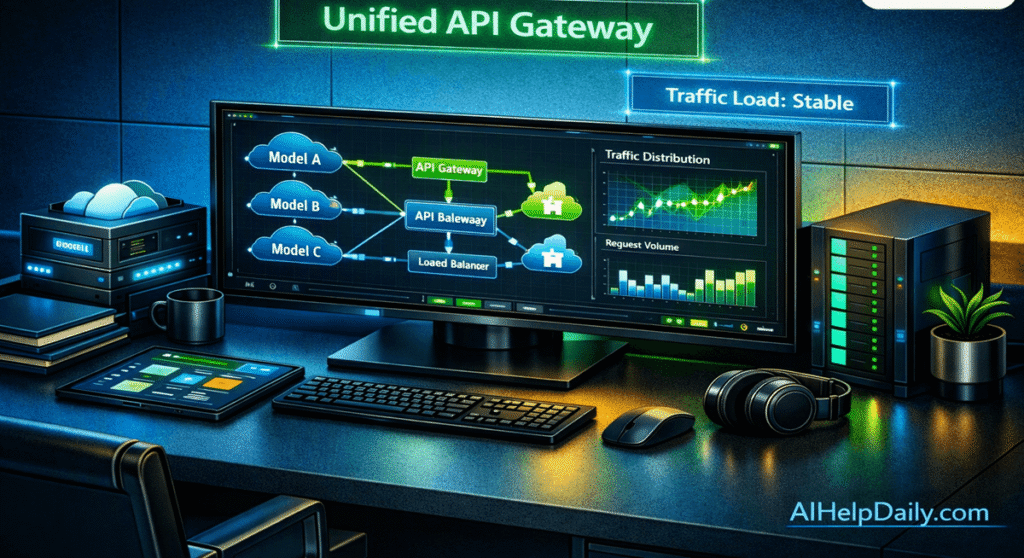
Choosing the optimal platform among top ai api management tools depends on your team’s compliance requirements, hosting architecture, and budget scale. For developers wanting immediate access to every major LLM via one clean endpoint, OpenRouter provides an unbeatable unified hub. However, for enterprise DevOps teams requiring self-hosted rate limits and deep observability, Portkey and LiteLLM offer the ultimate production foundation.
To discover more technical software solutions or to explore platforms that scale your engineering workflows, visit our master AI Tools index or keep tabs on our continuous AI News weekly hub for regular enterprise breakdowns!