
AI video generators are fundamentally transforming modern filmmaking, advertising production, and digital content creation pipelines in 2026. In this detailed benchmark evaluation, we review top text-to-video and image-to-video models to help you render photorealistic motion, maintain strict character consistency, and automate cinematic camera controls without physical studio sets.
Table of Contents
- The Generative Cinema Revolution: Introduction
- Key Parameters: Evaluating Advanced Video Foundation Models
- The Best AI Video Generators in 2026 Reviewed
- Functional Deployment Across Studio Production Pipelines
- The Heavy Render: Processing Load and Infrastructure Demands
- Conclusion: The Final Verdict
The Generative Cinema Revolution: Introduction
The production workflow for creating high-impact advertising commercials, cinematic concept trailers, social media campaigns, and educational video assets has permanently evolved beyond traditional green screens and expensive live-action shoots. Video editors, creative directors, and indie filmmakers no longer spend weeks stitching static AI images together with manual keyframe interpolation loops.
In this dedicated industry evaluation, we run live cinematic generation benchmarks across leading multimodal architectures to rank the best ai video generators available in the 2026 software market. We evaluate their temporal coherence, realistic human physics, multi-shot narrative control, resolution upscaling, and commercial copyright safety.
Key Parameters: Evaluating Advanced Video Foundation Models
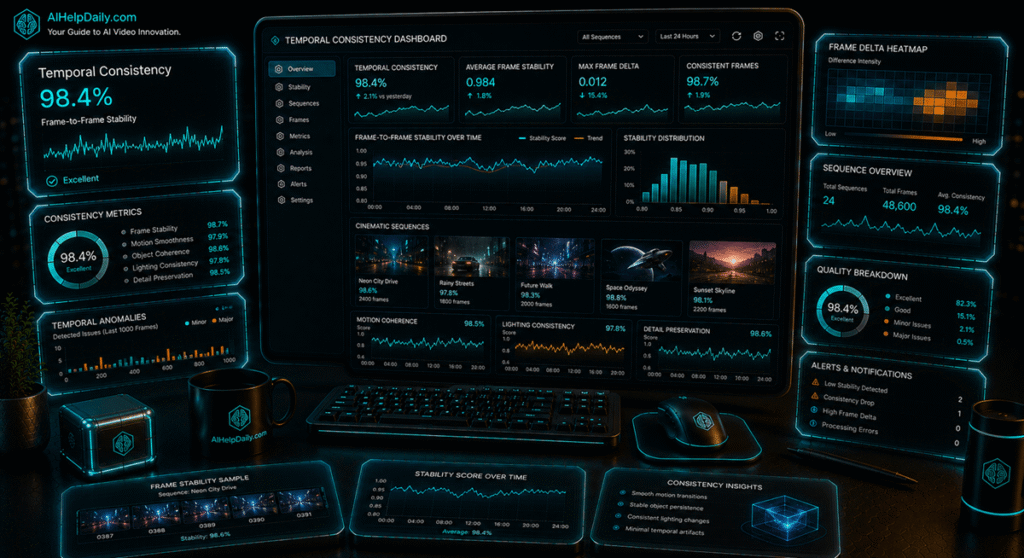
To properly judge modern ai video generators, creative directors and technical visual artists must look past surface-level novelty clips and analyze multi-frame physical consistency. A production-ready video generation engine must maintain character identity, clothing textures, and lighting vectors across complex camera pans without morphological warping.
The underlying model must support granular camera trajectory controls (pan, tilt, zoom, pedestal), motion brush masking, and synchronized native audio or lip-sync generation. Furthermore, an enterprise-grade video platform must offer high-resolution 4K rendering pipelines, fast API integration for autonomous workflows, and clear commercial licensing indemnification.
The Best AI Video Generators in 2026 Reviewed
1. Runway (Gen-4 / Gen-4.5)
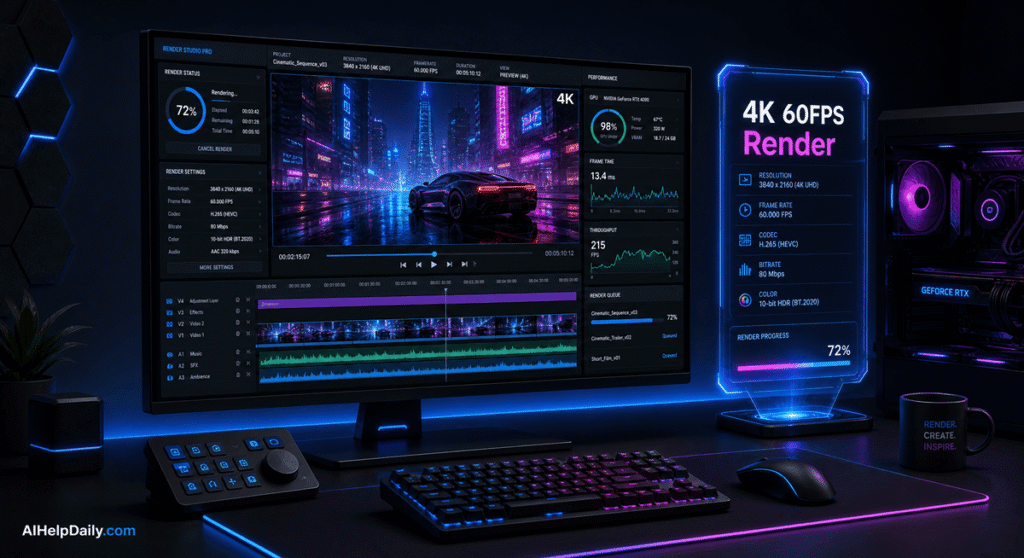
Runway remains the definitive studio-grade platform for professional filmmakers and visual effects artists. By embedding frontier video generation models inside a full-featured web editing suite, Runway allows creators to direct scenes with advanced camera path controls, motion brushes, multi-camera angle switching, and generative inpainting directly on a multi-track production timeline.
2. Kling AI (Kling 3.0)
Kling AI sets the industry benchmark for complex human motion simulation, anatomical realism, and extended sequence generation. Capable of rendering up to 180 seconds of cohesive footage in a single workflow, Kling excels in rendering fluid physical actions (such as walking, athletics, and expressive facial dialogue) with minimal temporal degradation.
3. Google Veo (Veo 3.1)
Google Veo represents Google DeepMind’s powerhouse video generation architecture, engineered for high-throughput enterprise scale and realistic physical simulation. Integrated deeply within Google Cloud Vertex AI, Veo produces sharp 4K widescreen footage with native cinematic lighting, synchronized environmental audio synthesis, and exceptional prompt adherence.
4. Luma Dream Machine (Ray 3.2)
Luma Dream Machine excels in 3D spatial awareness, rapid camera maneuvers, and photorealistic object rendering. Built on a foundation of volumetric physics, Luma allows video producers to transform static 2D images into dynamic 3D camera sweeps with accurate depth-of-field blurring and consistent character geometry.
5. MiniMax (Hailuo AI)
Hailuo AI by MiniMax has surged in popularity among creative agencies and digital marketers seeking rapid, photorealistic everyday human scenes. Offering exceptional cinematic lighting, lifelike micro-expressions, and robust character reference locking, Hailuo enables rapid ideation and social video generation with minimal prompt complexity.

Functional Deployment Across Studio Production Pipelines
To help you isolate the ai video generators that best match your visual fidelity standards, render speed requirements, and production budget, analyze this capabilities matrix:
The Heavy Render: Processing Load and Infrastructure Demands
Synthesizing continuous 4K video frames, calculating multi-view optical flows, and generating synchronized neural audio using modern ai video generators demands massive GPU cluster power. Processing high-resolution generative video rendering shifts continuous heavy computational workloads onto cloud hosting networks.
This visual compute requirement connects directly back to our pillar evaluations in our master best agentic ai tools guide, our best agentic ai frameworks breakdown, our best ai voice agents review, our best real time ai voice changer breakdown, and our recent best ai music generators guide. Exploring how enterprise data centers manage these high-density diffusion workloads sustainably remains an essential priority for next-generation media infrastructure leaders.

Conclusion: The Final Verdict
Selecting among top ai video generators depends on whether your creative pipeline demands granular visual effects direction or rapid, photorealistic social media assets. For filmmakers and post-production studios seeking complete director-level controls with motion brushes and timeline editing, Runway provides the most comprehensive creative suite. However, for content creators prioritizing natural human movement, long video generations, and lifelike physical interaction, Kling AI delivers unmatched motion synthesis.
To explore more technical developer frameworks or discover platforms that scale your digital operational stack, visit our master AI Tools index or keep tabs on our continuous AI News weekly hub for ongoing industry breakdowns!